Congress MP Manish Tewari reacts to Bihar voter list row, AI171 crash report
Manish Tewari says the Bihar electoral roll revision is an attempt to disenfranchise people
The pilots’ body claimed that the rapid deployment of the backup turbine indicated that the aircraft suffered a catastrophic electrical failure before the engines stopped. According to FIP, the electrical failure may have triggered the engine switches and led to the crash.





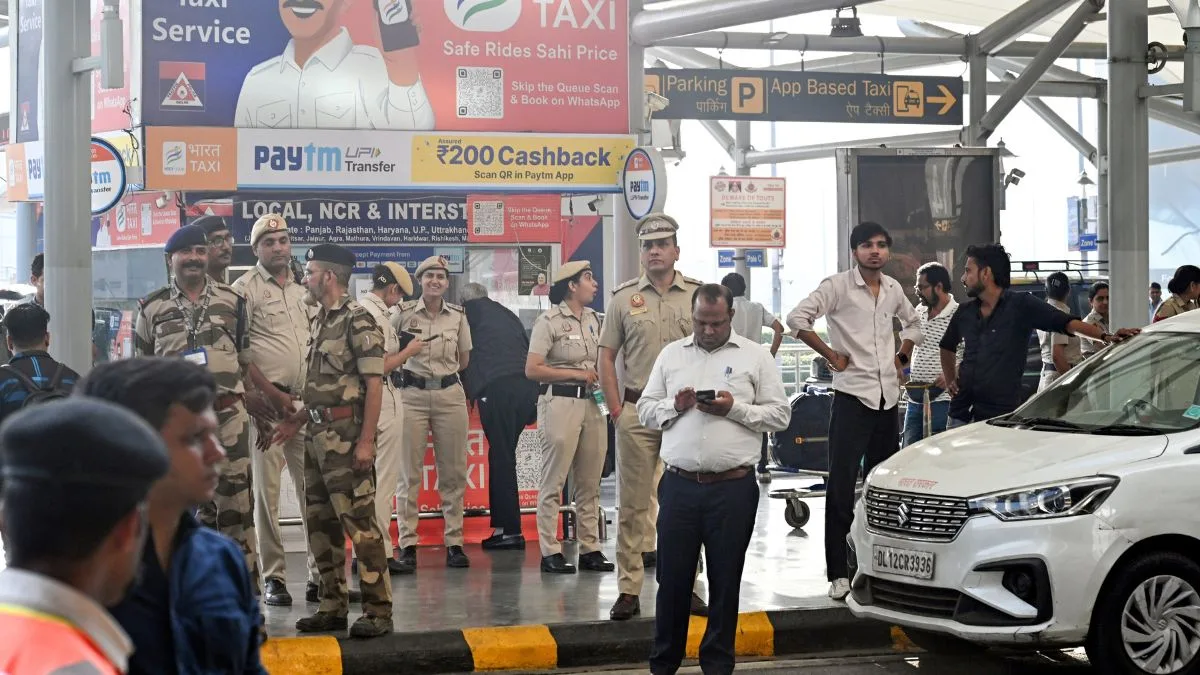
Photo: IANS
The Federation of Indian Pilots (FIP) has challenged the official narrative surrounding the crash of Air India Flight AI 171 in Ahmedabad, claiming that new simulator tests point towards a major systemic electrical failure rather than a deliberate action by the pilots.
Addressing a press conference, FIP President Captain C.S. Randhawa alleged that crucial technical evidence was ignored during the investigation and that aviation experts were sidelined to support a predetermined conclusion.
Advertisement
The official interim report into the crash had stated that the flight crew deliberately cut fuel supplies to the engines in a coordinated suicide pact. The report said the manual shutdown resulted in the aircraft’s ram air turbine, a backup power system activated during a complete power loss, dropping four seconds later.
Advertisement
However, Randhawa said the FIP conducted detailed simulator tests by replicating the aircraft’s weight, balance and weather conditions linked to the flight. “Our simulator tests prove that a manual fuel cut-off takes a full 18 seconds to drop that backup turbine. The official timeline of four seconds is physically and technically impossible under a manual shutdown scenario,” he observed.
The pilots’ body claimed that the rapid deployment of the backup turbine indicated that the aircraft suffered a catastrophic electrical failure before the engines stopped. According to FIP, the electrical failure may have triggered the engine switches and led to the crash.
The FIP also stated that the lone survivor of Flight 171 reported seeing the cabin lights flicker and dim before the aircraft entered its final descent, which the federation said supported its electrical failure theory.
The pilots’ body further claimed that the aircraft had a documented history of unresolved electrical problems before the fatal flight.
The federation alleged that Captain R.S. Sandhu, regarded by it as India’s top Boeing 787 expert, was deliberately kept away from the investigative testing process.
“They are ignoring the input of our most experienced pilot because his knowledge would completely disprove their ‘pilot suicide’ theory. It is easier to blame dead pilots who cannot defend themselves than to confront a major mechanical or software flaw,” Randhawa alleged.
The FIP said it has submitted its simulator data and findings to Boeing and government aviation authorities.
The federation has demanded that the final accident report should not be released until the technical differences regarding the ram air turbine deployment are fully examined. It has also called for the immediate reinstatement of Captain Sandhu to the official investigation team to ensure what it described as a transparent and unbiased review.
Advertisement